
Forests, lakes, and landscapes of unsurpassed beauty in Odisha are all very alluring. Equally irresistible is the charm and mystique of the ancient temples and ruins that dot laid-back towns and cities of this state in Eastern India. While the most popular and significant temples are Jagannath temple in Puri and Sun temple in Konark, the temples in Bhubaneswar, the capital of Odisha, are not to be missed if you are a history buff or love ancient architecture like me.
Since I am less keen on the religious aspects of a temple and more interested in its architectural beauty and historical significance, here is my take on the temple circuit of Puri, Konark, and Bhubaneswar – the three most visited places in Odisha by temple lovers.
Puri – Jagannath abode
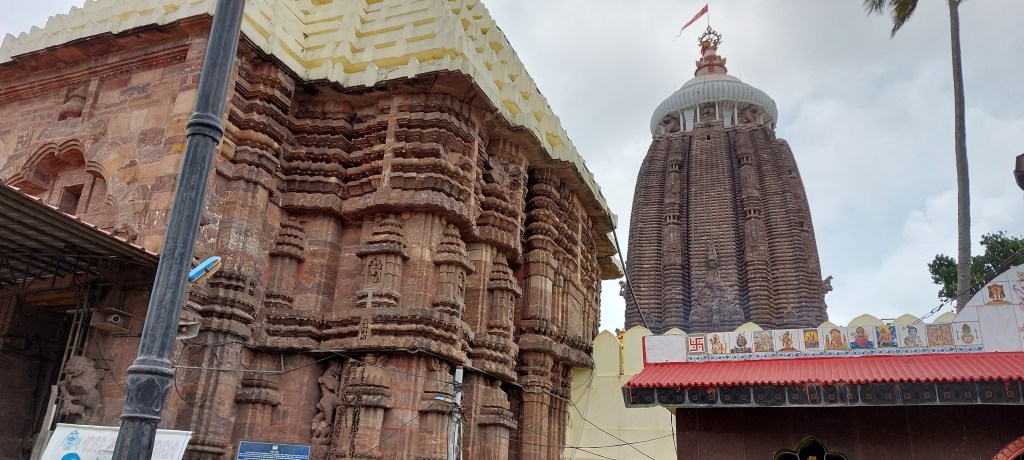
Considering that Jagannath temple – located in the coastal town of Puri – is one of the holiest of the holy Hindu temples in India, not surprising that non-Hindus are barred from entering the temple premises. I consider this to be a bit harsh, though. The good news is that Sikhs, Buddhists, and Jains are allowed in the temple because the temple authorities believe their cultures are aligned with that of the Hindus. From my perspective, though, such a 10th-century architectural gem should be open to the public, irrespective of their religious background.
That said, let me share my experience inside this sacred complex. The first thing that struck me was how crowded the place was in the middle of the week. Along with my footwear, I had to deposit my mobile, camera, umbrella, and food items at the counter next to the West Gate, known as Vyghradwar or Tiger Gate, through which I entered the temple premises. The sun was out in its full glory. When my bare feet touched the stone floor, they got scorched immediately! As I began to take in the beautiful carvings on the walls of the ancient complex spread across 37000 square meters, the burning sensation all but disappeared. Looking up, I marveled at the magnificent 65-meter-high temple tower or gopuram. Later that day, during the flag-changing ceremony before sundown, two temple runners climbed up the tower to replace the flag or dhwaja from the summit with other flags. It looked so unreal! Hordes of resident monkeys kept running up and down the adjacent tower, known as Jagamohan or the Hall of Audience, along with the brave men who speedily climbed up and down the Garbha Mandir (Central temple) with triangular flags tied around their bodies. If there was one misstep, they would come hurtling down, hitting against the sharp edges of the tower and columns! I held my breath until the climbers were safely back on the ground. Later, I was told by a senior priest that these men, descendants of a particular family, were trained for this task since their childhood.
So, what is the significance of this flag-changing ritual, known as Chunara Seva? The flag, known as Patita Pabana, is made of red, yellow, or white cloth with a patchwork of crescent moon tied to a bamboo staff. This flag is hoisted on the iconic Nila Chakra, a metal alloy fixed atop the temple tower, consisting of two concentric rings joined together by eight spokes. The flags are offered by devotees to Lord Jagannath to fulfill their wishes.
The fortified wall surrounding the temple has gates opening in four cardinal directions. These gates are represented by four animals. The East Gate is guarded by the lion sculpture, called the Lion Gate or Sinhadwar. The lion is a symbolic representation of Moksha, liberation from the cycle of life and death. In the west is the tiger, a symbol of dharma (the religious and moral law governing individual conduct) hence the name Tiger Gate or Vyaghradwar. The North is guarded by the elephant and called the Elephant Gate or Hastidwar. The elephant symbolizes physical and mental strength, courage, and prosperity. The South Gate is adorned by a horse, symbolizing kama or lust, hence the name Horse Gate or Ashwadwar.
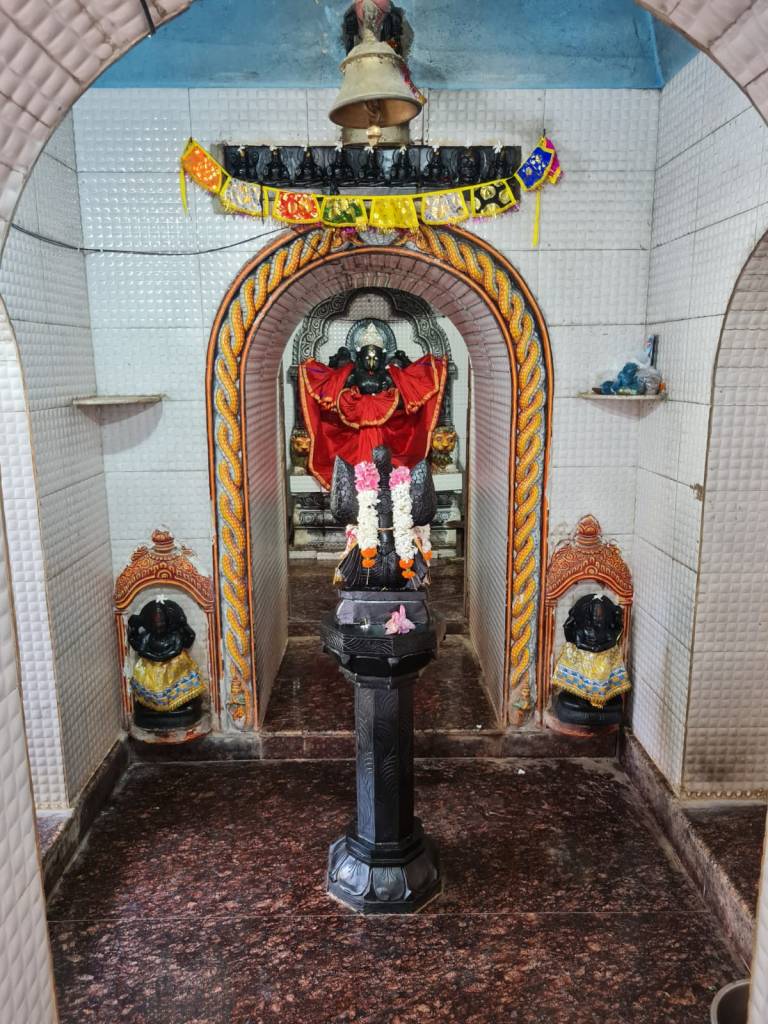
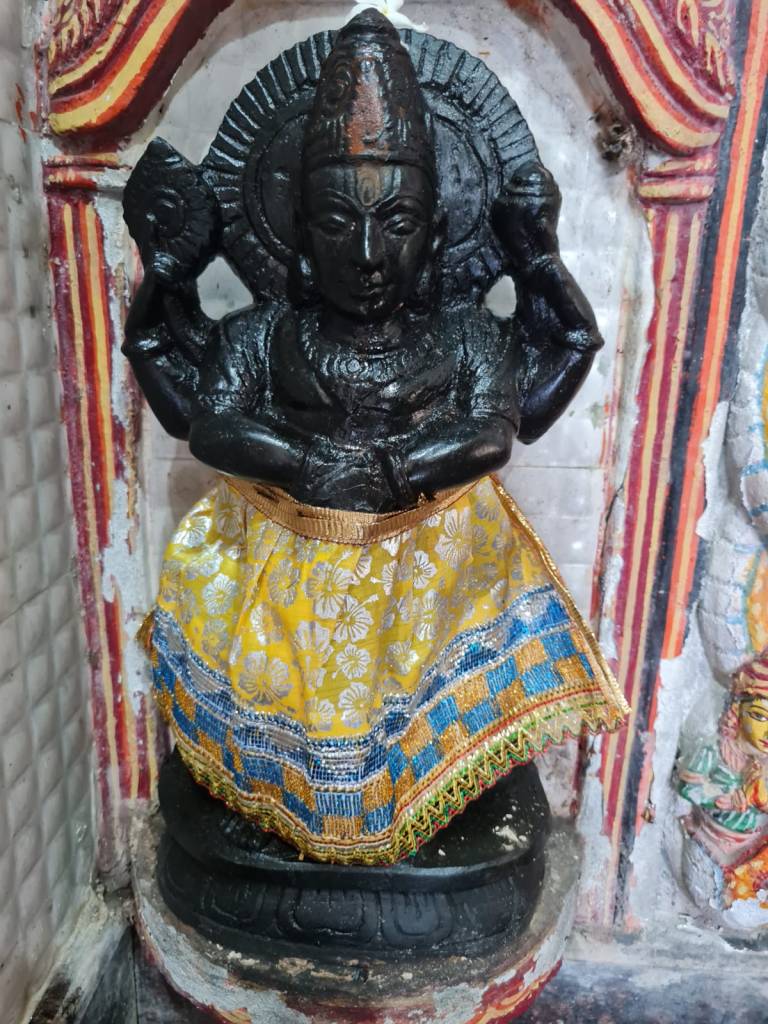
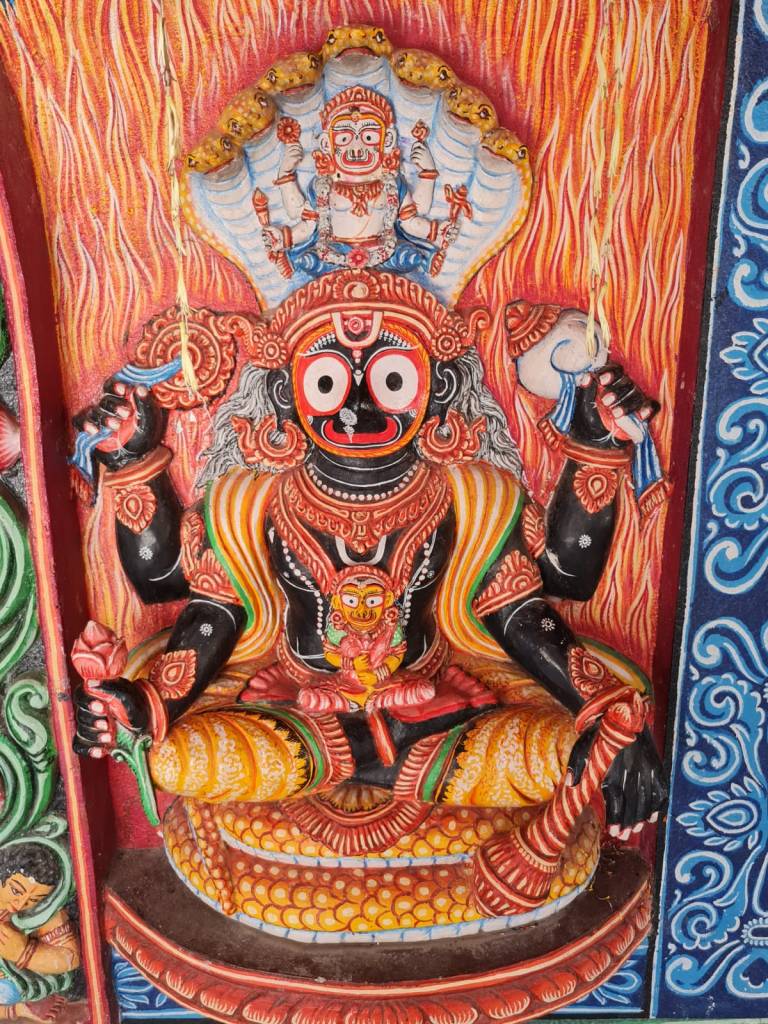
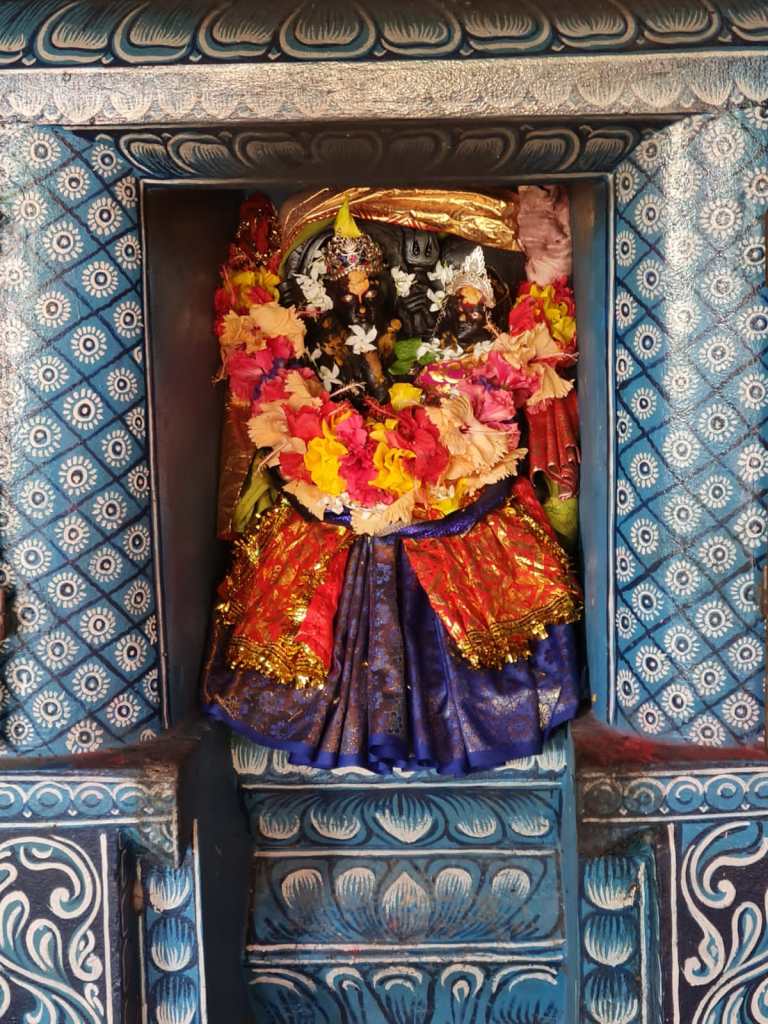
I was amazed to see so many temples and shrines on the premises. Later, I was told that over a hundred deities were residing in the temple complex, besides the principal deities of Lord Jagannath, Balaram (brother), and Subhadra (sister) in the inner sanctum or Garbha Griha within the Vimana or the Great Temple. There were four sections of the main temple – Vimana, Jagmohan, Natamandapa, or the Dancing Hall, and Bhogamandapa, or the Refractory. Everything was well maintained and greatly revered.
Looking at the massive temple kitchen, one of the largest in the world, I was taken by the hard work and dedication of the kitchen staff that prepared six meals (consisting of 56 items!) daily for Lord Jagannath. The first offering, the breakfast or Gopala Vallabha Bhog, had seven courses, followed by Sakala Dhupa at around 10 am, consisting of 13 items. This meal was followed by Bada Sankhudi Bhoga, the main meal. Later in the afternoon came Madhyana Dhupa. Sandhya Dhupa was offered in the evening (Sandhya), followed by dinner or Bada Simhara Bhoga. Phew!
A brief history of Jagannath Temple
I was surprised to find how many versions were available related to the construction of the Jagannath Temple. Based on a copper-plate inscription belonging to King Narasimhadeva II of the Ganga dynasty, his ancestor, King Anantavarman Chodaganga, built the temple in the 12th century CE. However, an entry in the temple chronicles mentions that the temple was founded by King Anangabhima-deva II, son of Anantavarman. Despite these contradictory claims, Lord Jagannath Temple has survived the test of time and stands proudly to be a true cultural and architectural gem.
How to reach
Puri is a small coastal town in Odisha. Jagannath temple can be easily reached by car or auto-rickshaw (tuk-tuk) from any part of the town. The nearest airport is in Bhubaneswar, around 63 km from Puri. Puri has a train station connecting to all major towns and cities in India.
Best time to visit
Although the temple is a year-round destination, October to February would be the best months in terms of weather conditions since Puri can get very warm and humid during the summer months.
Other significant temples in Puri
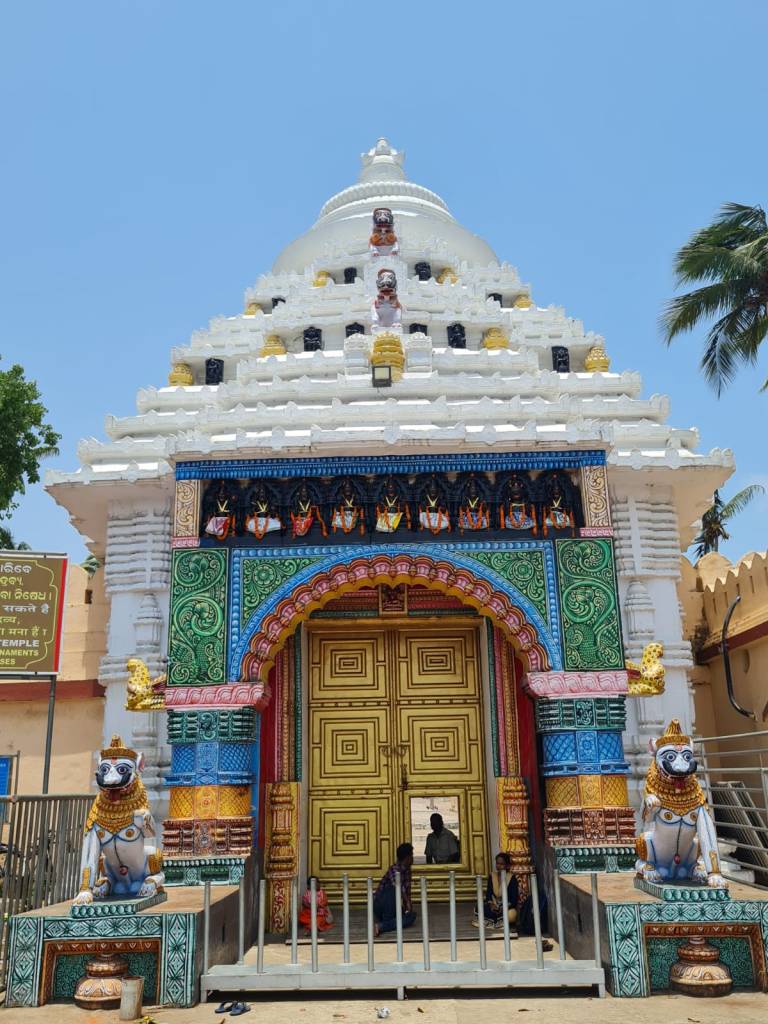
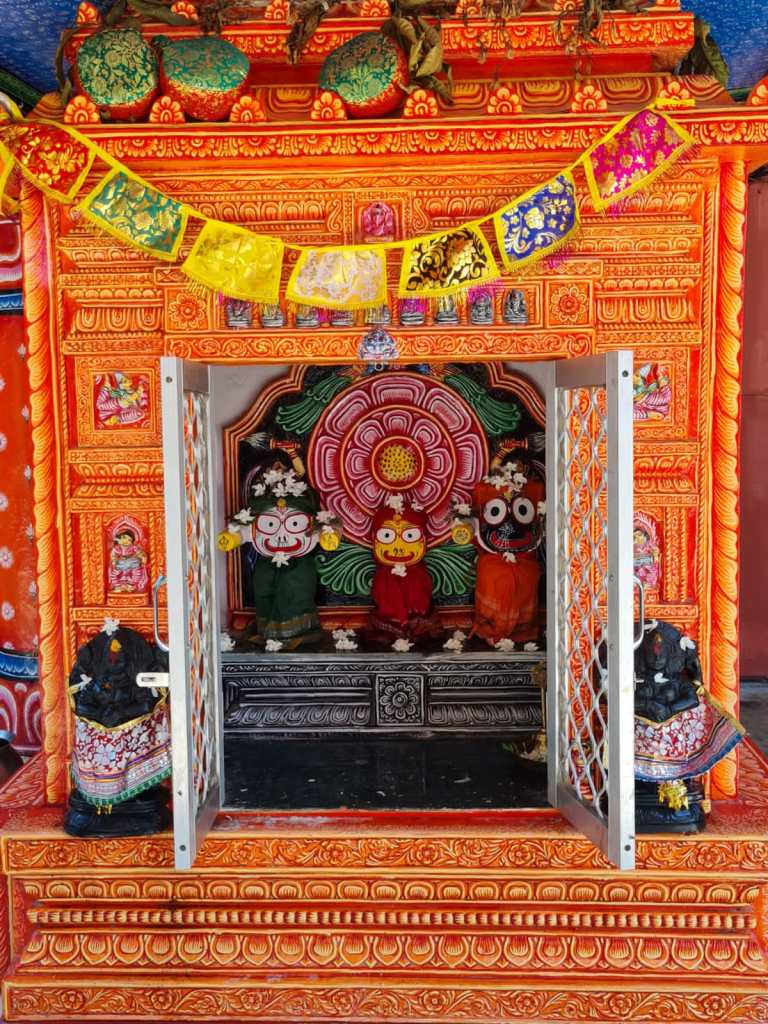
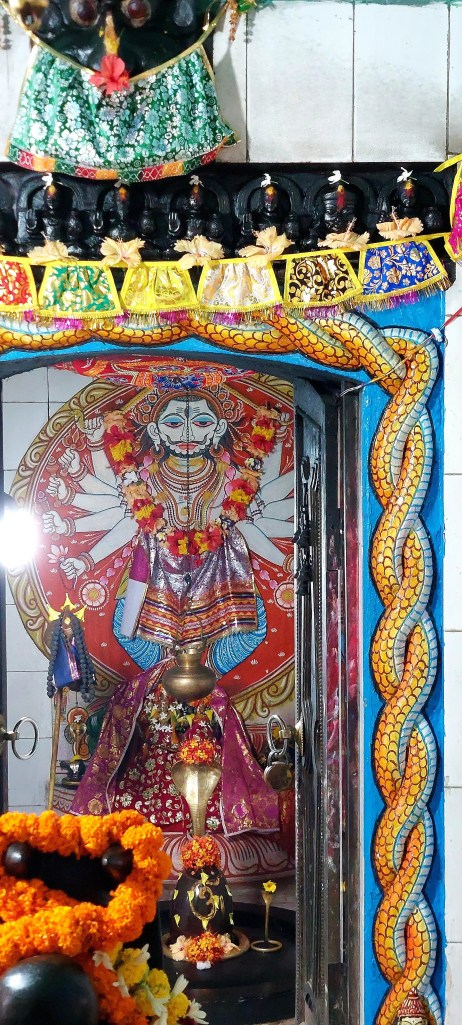
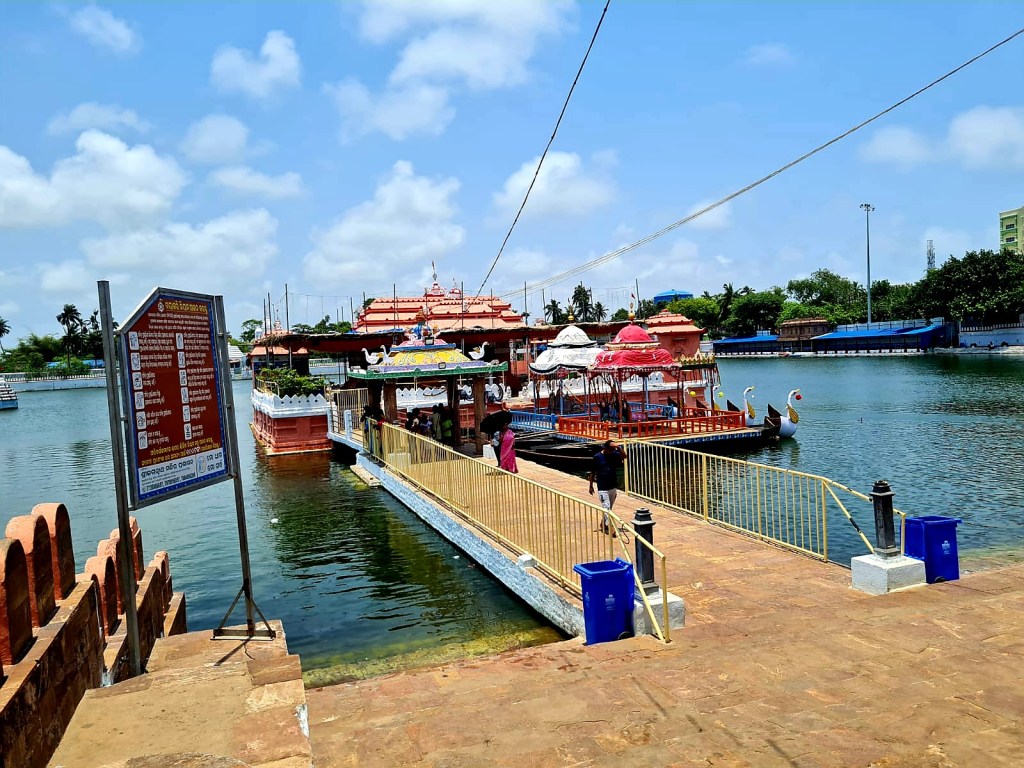
Besides Jagannath Temple, some of the other famous temples in Puri are the 11th-century Lokanath temple, Gundicha temple, Kapalamochana Temple, the seaside temple of Baliharachandi, the Markandeshwar Temple, and Ardhashosini Temple (temple of mausi maa, or the aunt of Lord Jagannath). After visiting Jagannath Temple, devotees usually take a dip, or holy bath, in five sacred places called Pancha Tirtha. These five water bodies are located on the premises of the famous temples dotting the town.
Konark Sun Temple
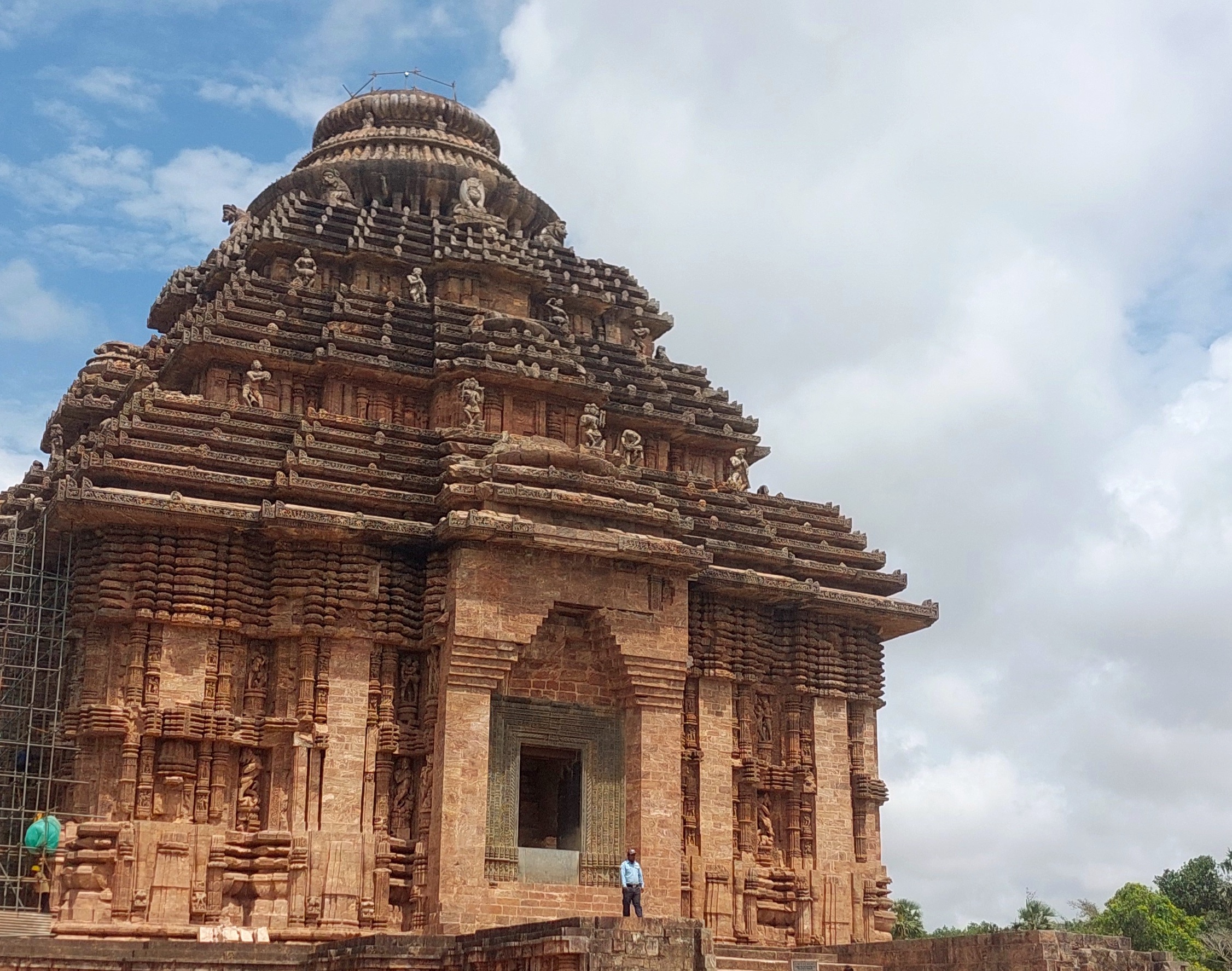
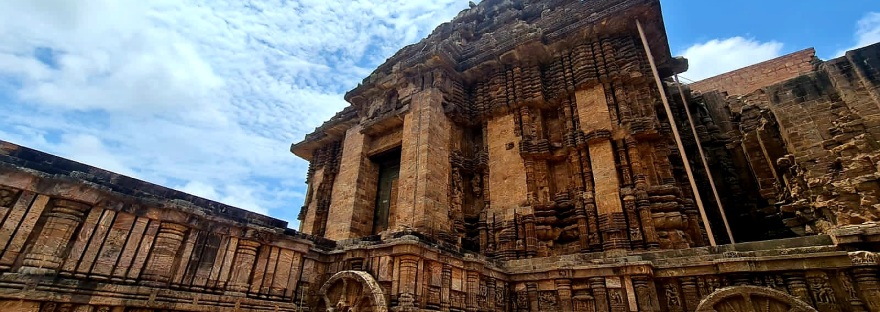
At first glance, I couldn’t help but wonder what the Konark Sun temple (also called Surya Deula or Surya Deul by the locals) must have looked like during its glory days. While the Jagannath Temple is fully operational, the Sun Temple in Konark is only a monument of significant archaeological value and a pilgrimage site for Hindus. Declared a UNESCO World Heritage Site in 1984, the ruins of Konark continue to keep visitors captivated.
Sun Temple – a brief history
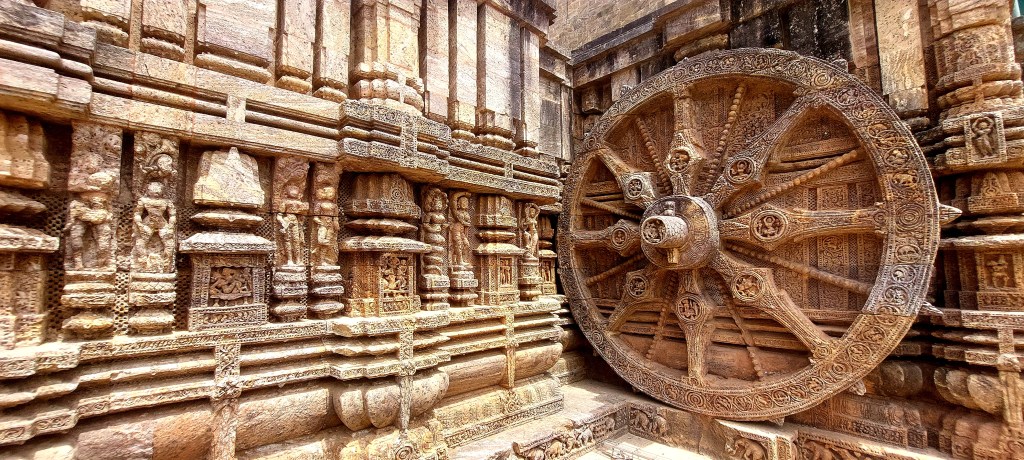
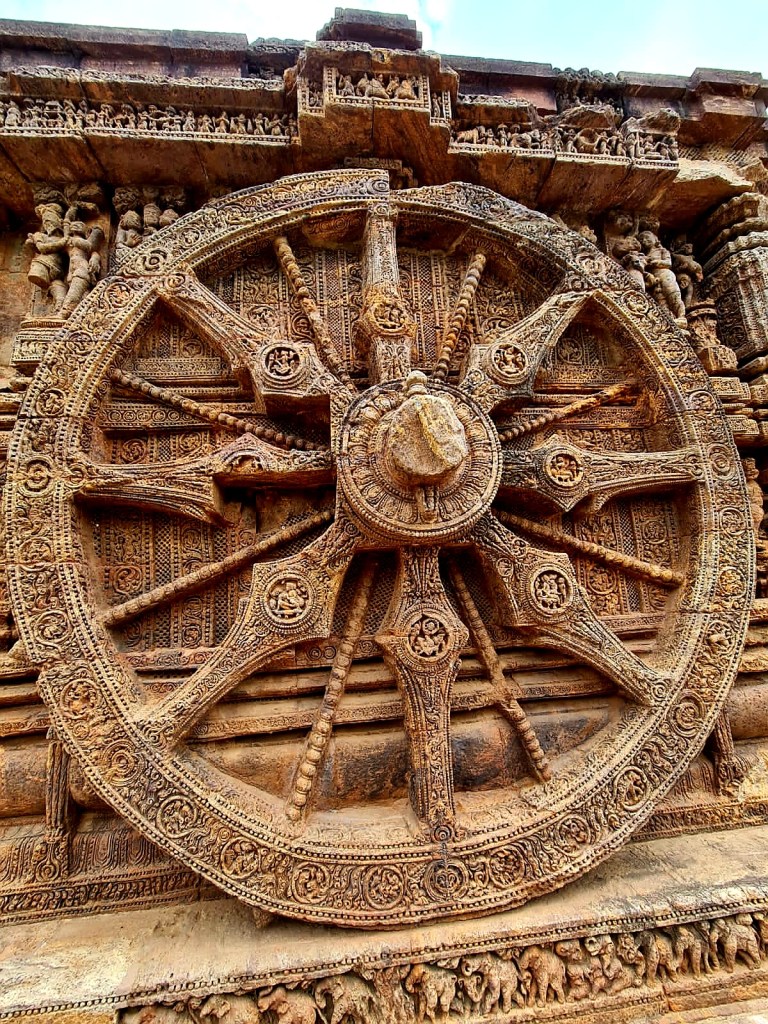
Dedicated to the Hindu Sun God, Surya Deva, this 13th-century stone temple was built during the reign of the Eastern Ganga King Narsimhadeva-1. It was shaped like a giant ornamented chariot drawn by seven horses symbolizing the Sun God’s chariot. According to the Rig Veda, an ancient Indian collection of Vedic texts in Sanskrit, Surya Deva travels across the sky in a golden chariot driven by seven horses. 24 elaborately carved stone wheels, almost 12 feet in diameter, adorn the perimeter of the main structure. These 12 pairs of wheels correspond to the 12 months of the Hindu calendar.
In this holy temple, the sun is personified as a divine being with ancestry and family. His wives and children are also depicted in the temple structures. The niches on the three sides of the temple structure hold three different aspects of Surya Deva – The Morning Sun or the Creator, the Mid-day Sun or the Destroyer, and the Evening Sun or the Preserver.
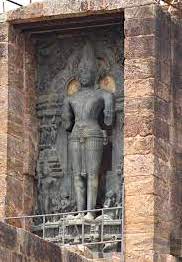
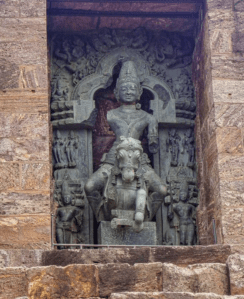
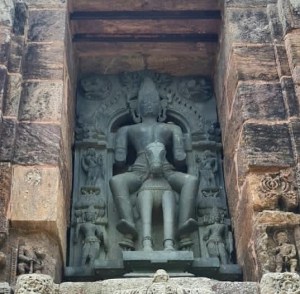
Unfortunately, the main temple no longer exists and is replaced by a heap of ruins. The original temple had a main sanctum sanctorum that fell in 1837. The audience hall, which still stands, is the principal structure in the surviving ruins. The surrounding shrines at the site have niches holding Hindu deities. The temple structures showcase intricate artwork and themes, including erotic scenes and other themes depicting the day-to-day life of the Sun God and his royal entourage.
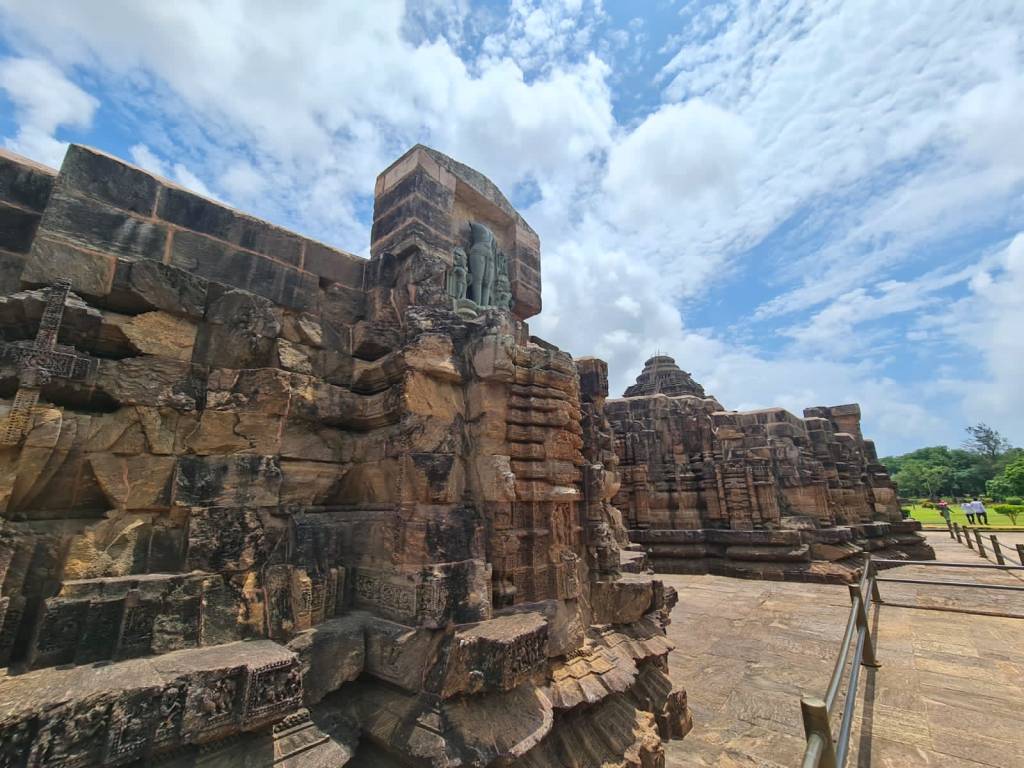
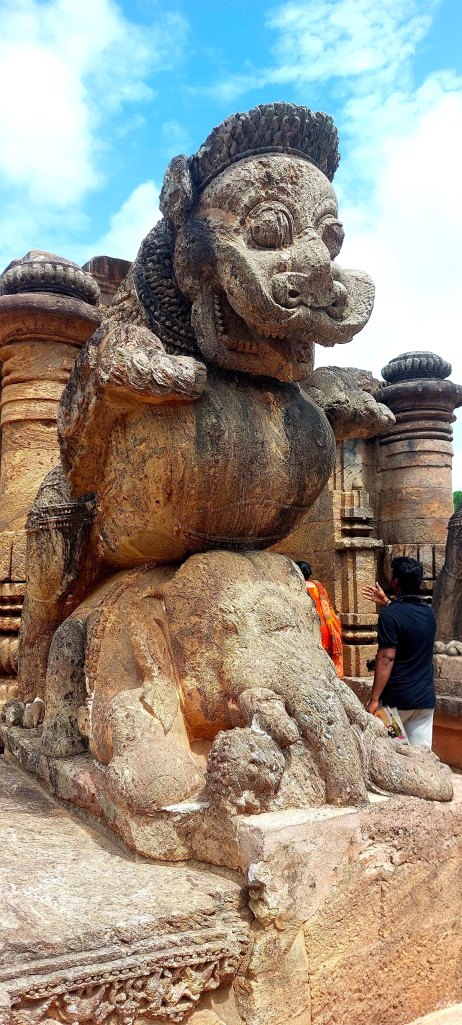
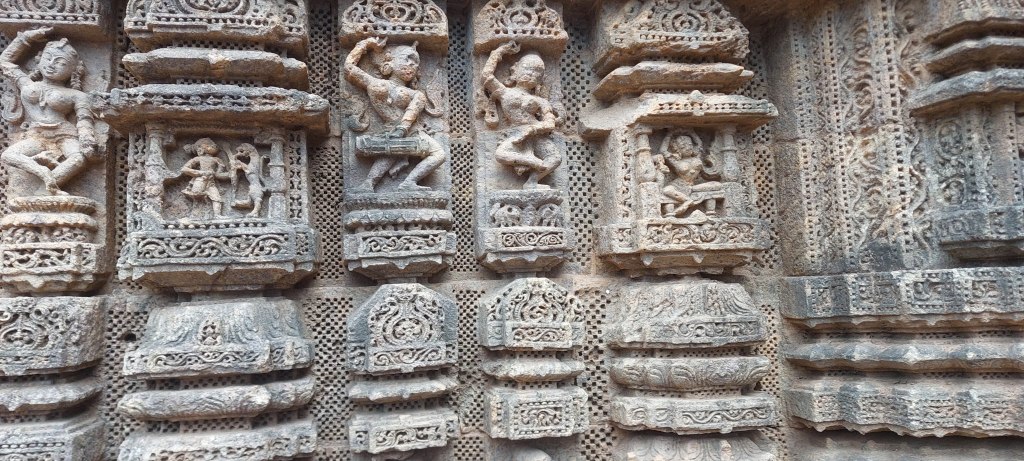
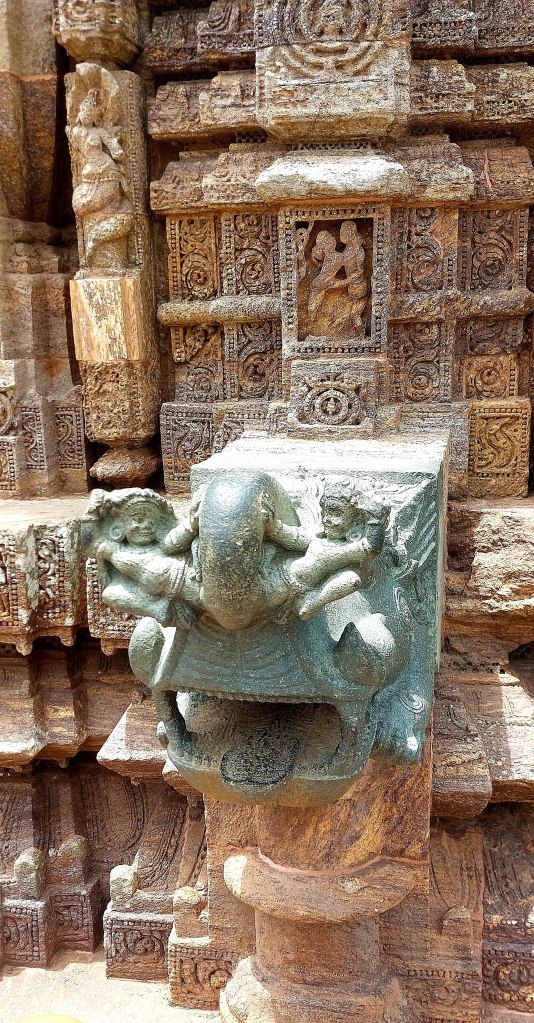
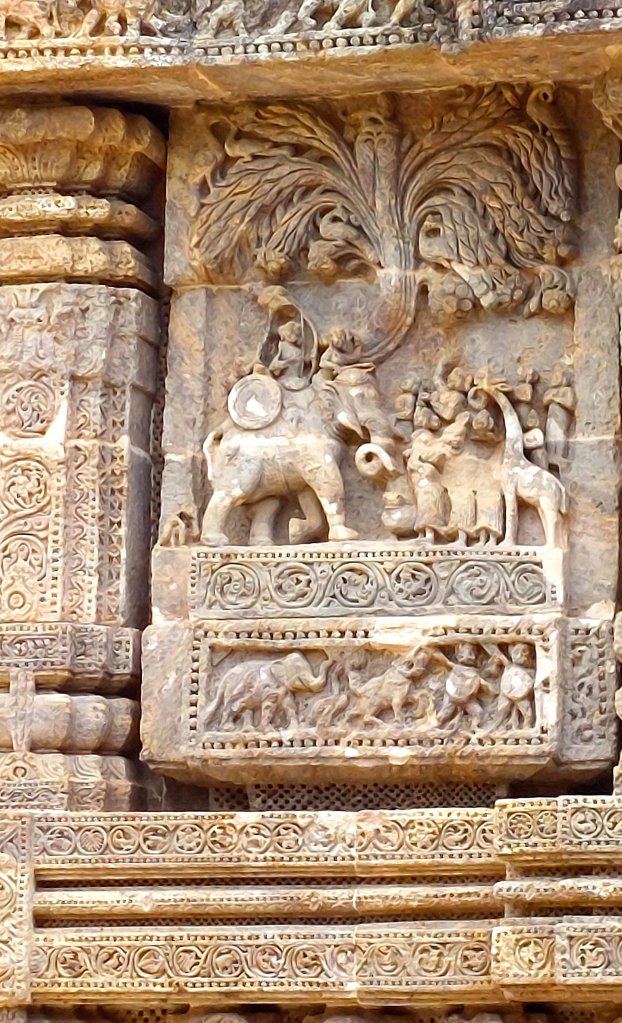
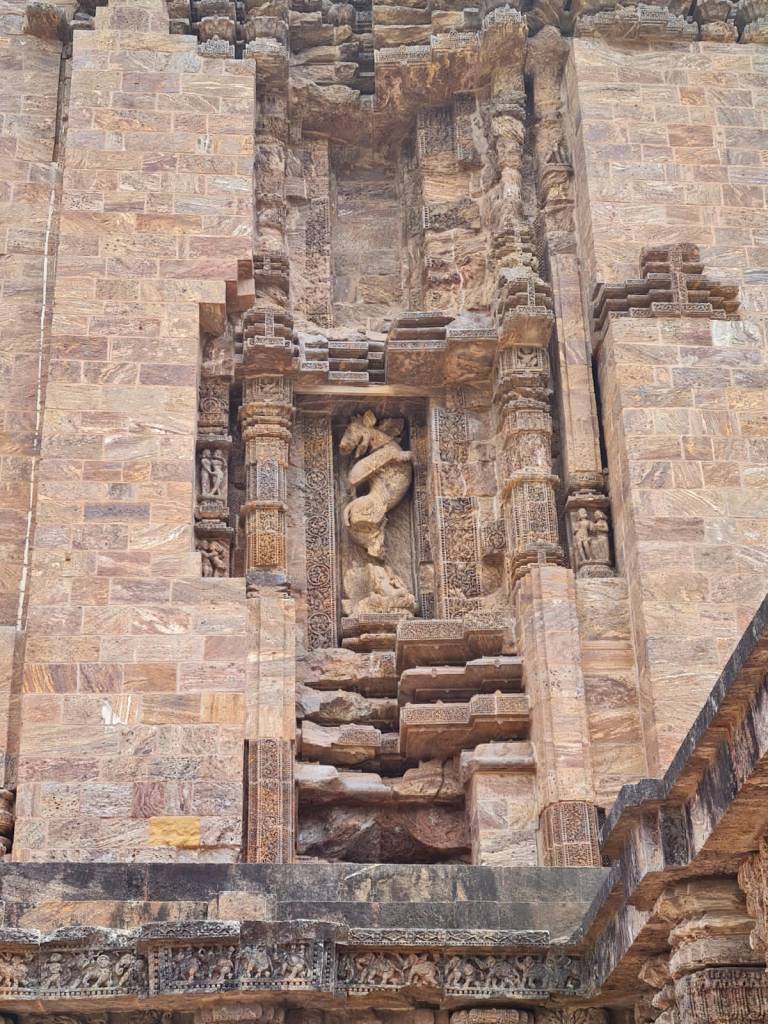
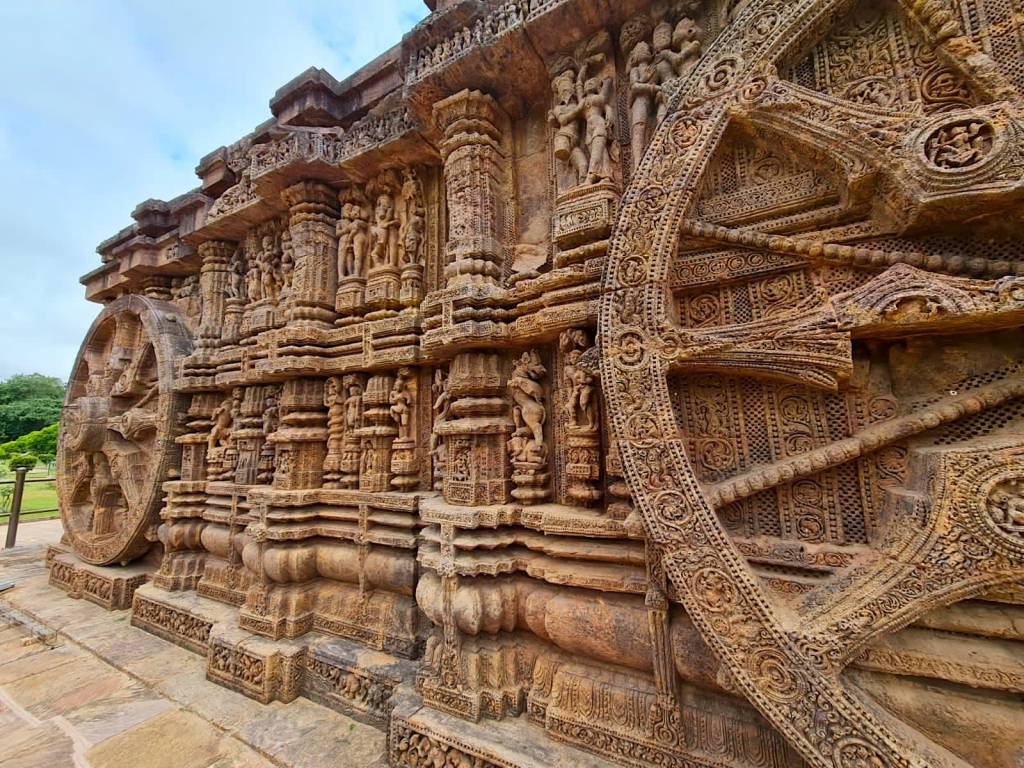
Besides the Sun Temple, the Konark temple complex has ruins of other temples and monuments, such as the 11th-century Mayadevi Temple dedicated to the wife of Surya Deva, a Vaishnava temple, and a kitchen for cooking meals for the gods.
Best time to visit
Although Konark is a year-round destination, the best time to visit the temple is between September and March, when the weather is more pleasant than the rest of the months.
How to reach
Konark can be reached from Puri or Bhubaneswar by taxi. Puri is closer to Konark (35 km). Taxis are available outside Puri railway station as well as Bhubaneswar airport. The Sun Temple is around 63 km from Biju Patnaik International Airport in Bhubaneswar.
Also Read: Is Siem Reap too touristy?
Bhubaneswar’s Temple Trail
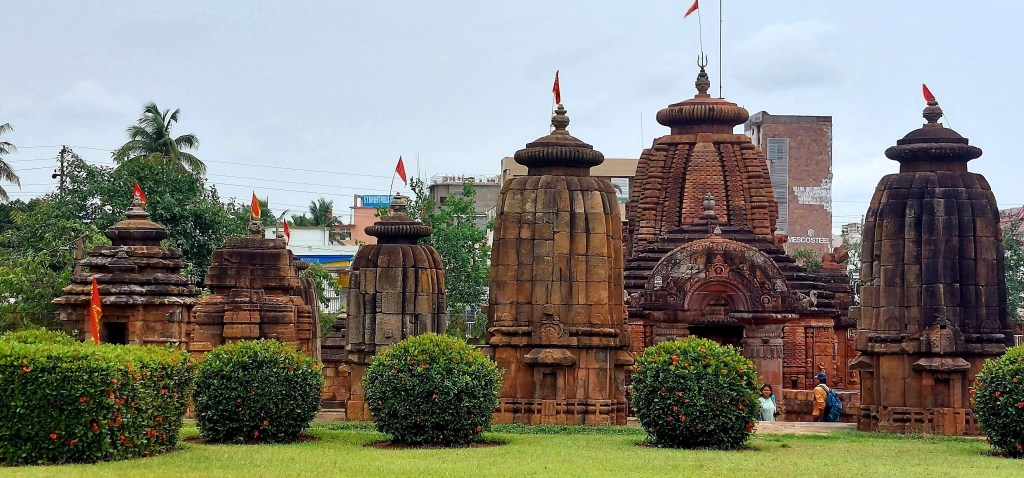
Bhubaneswar, the capital city of the State of Odisha, has its fair share of ancient temples. While some of them, like the Lingaraj Temple, remain fully functional, others, such as the Rajarani Temple, are old heritage sites maintained by the Archaeological Survey of India (ASI).
Due to obvious reasons, I looked up the notable temples in the city and set out to visit them.
Lingaraj Temple
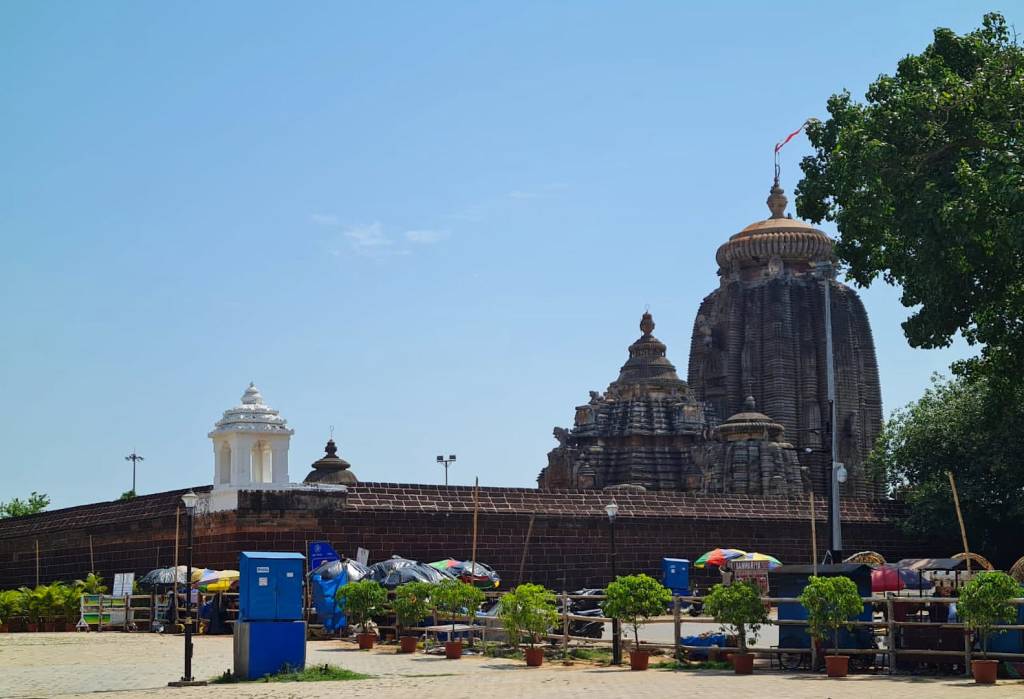
The Lingaraj Temple, dedicated to Hindu God Shiva, is similar in architecture to the Puri Jagannath Temple, although smaller in scale. Constructed in the 11th century CE, it is the largest and most prominent temple in Bhubaneswar. The imposing temple complex has 150 shrines of various Hindu deities. Unfortunately, like the Jagannath temple, photography is not permitted inside the Lingaraj temple. Cameras, phones, footwear, and other personal belongings are stored at a kiosk near the temple entrance.
Considered a masterpiece, the Lingaraj temple represents the typical Kalinga architecture followed in the region during the medieval era. The 180-foot (55 m) high Central Tower is the most notable structure in this complex. The temple is broadly divided into four halls – Sanctum Sanctorum (Garbha Griha), Prayer Hall (Yajana Mandapa), Music & Dance Hall (Natya Mandapa), and Prasad Hall (Bhoga Mandapa) for devotees to consume the food offerings (Prasad) given to God. These offerings are distributed after the temple ritual (Puja) is completed. Exquisite carvings depicting day-to-day activities adorn the walls of Lingaraj temple.
Rajarani Temple
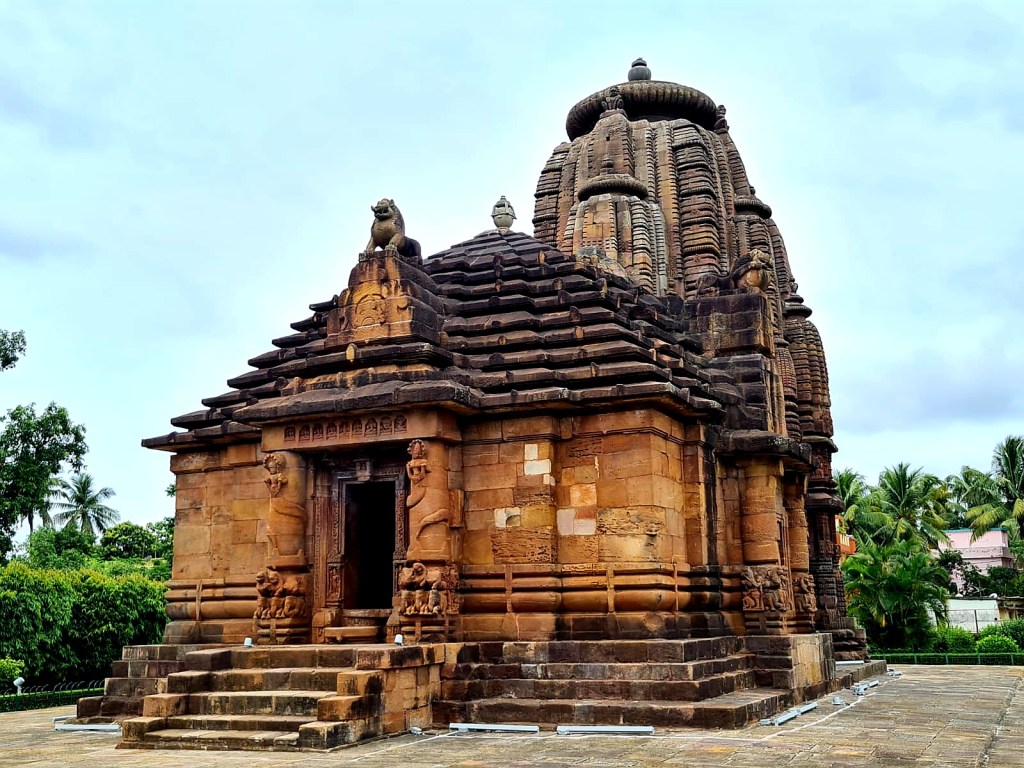
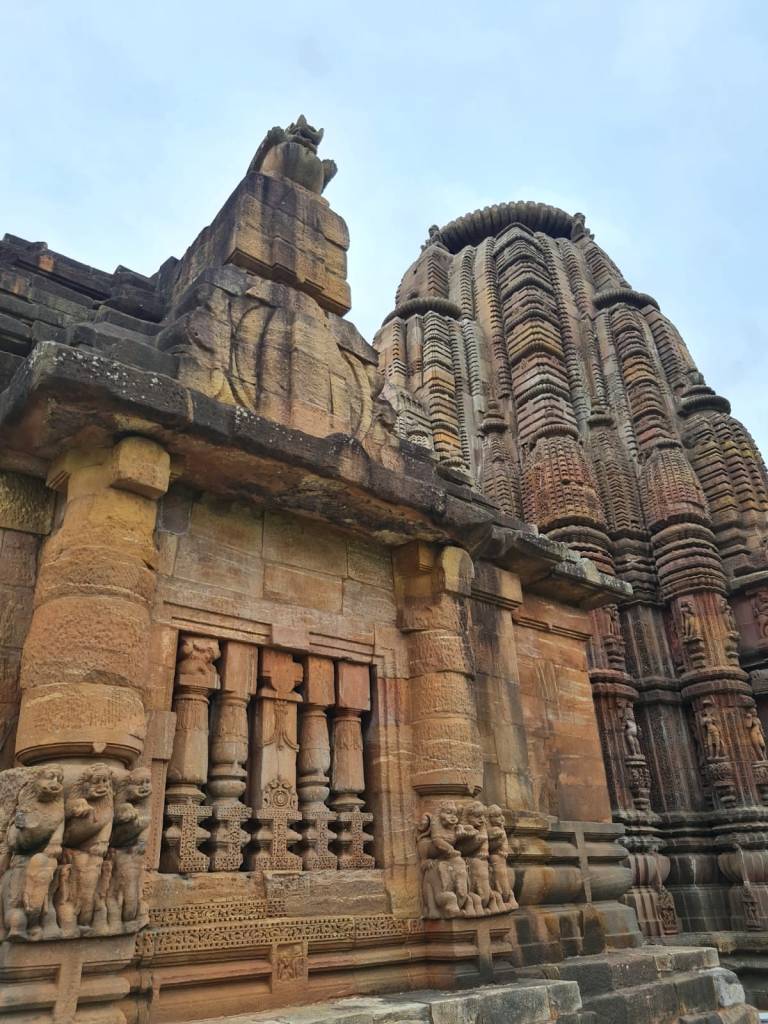
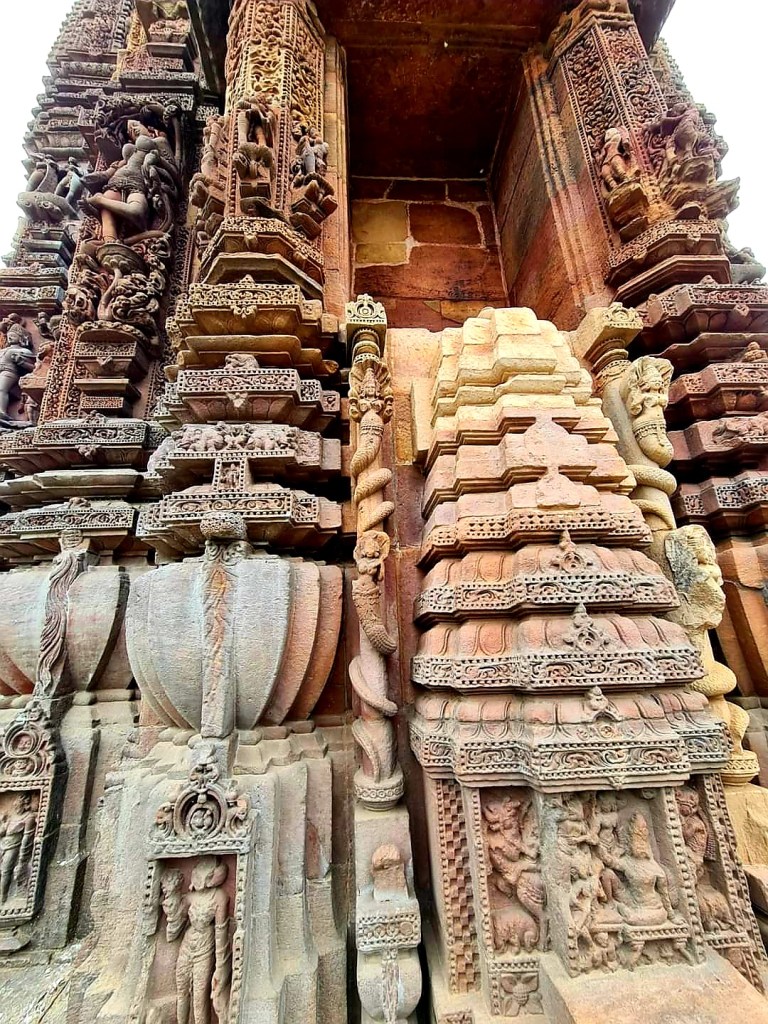
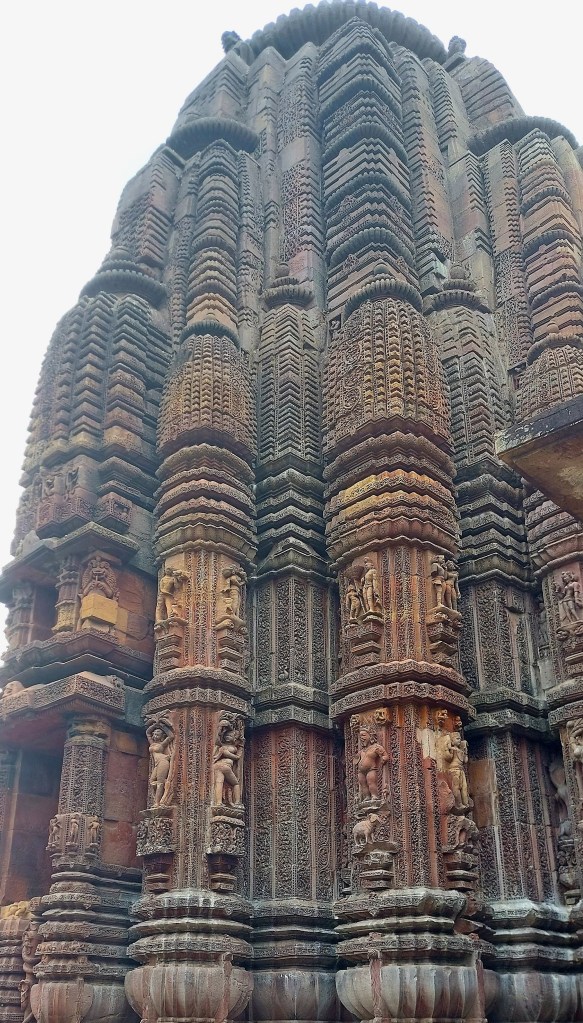
This exquisitely carved 11th-century temple, set in a serene atmosphere, is a must-see attraction in Bhubaneswar. Locally known as the ‘Love Temple’ owing to the erotic carvings and bas-relief sculptures on its roof and facade, the Rajarani temple is dedicated to Lord Shiva. However, the temple is devoid of any presiding deity. The name ‘Rajarani’ (translated as King-Queen) is derived from the red and yellow sandstone called Rajarania that was used for constructing the temple. A local teacher visiting the temple informed me that historians believed this temple was known as Indresvara Temple in the past.
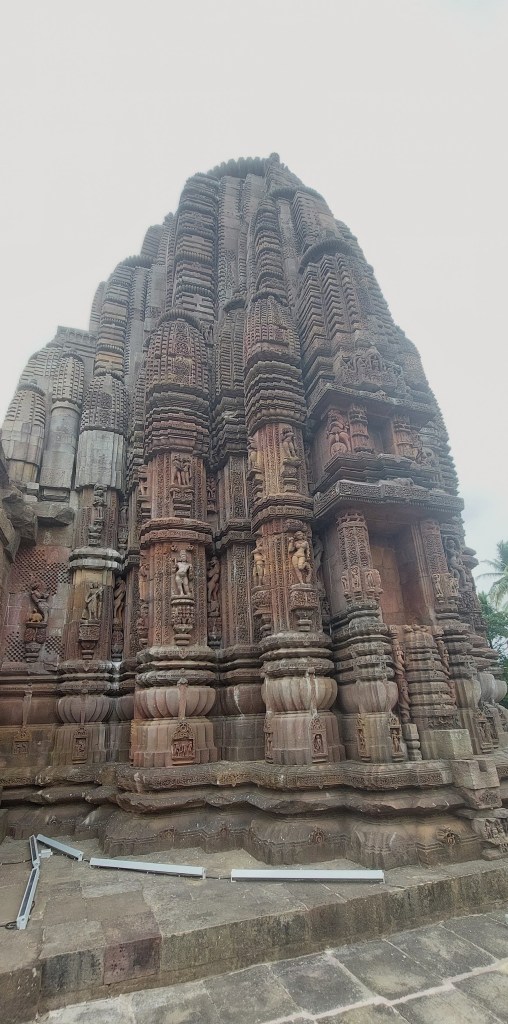
Mukteswara Siddheswara Temple Complex
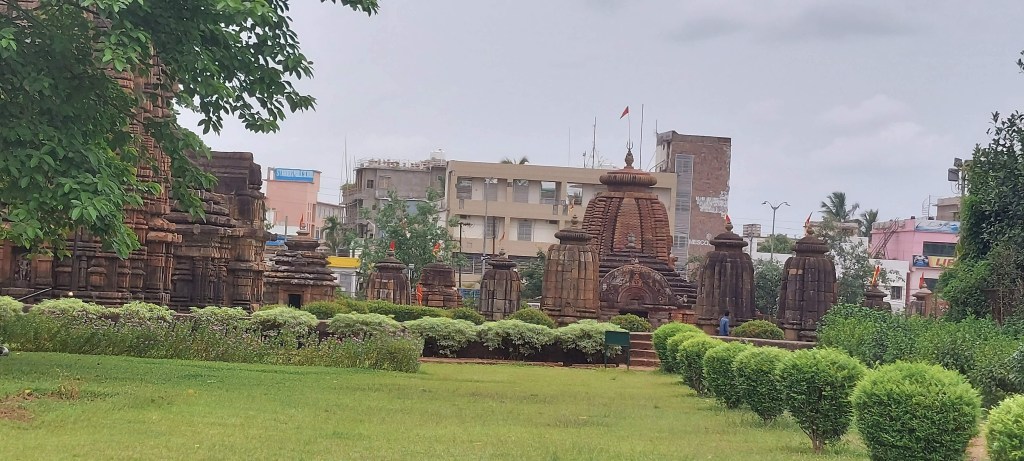
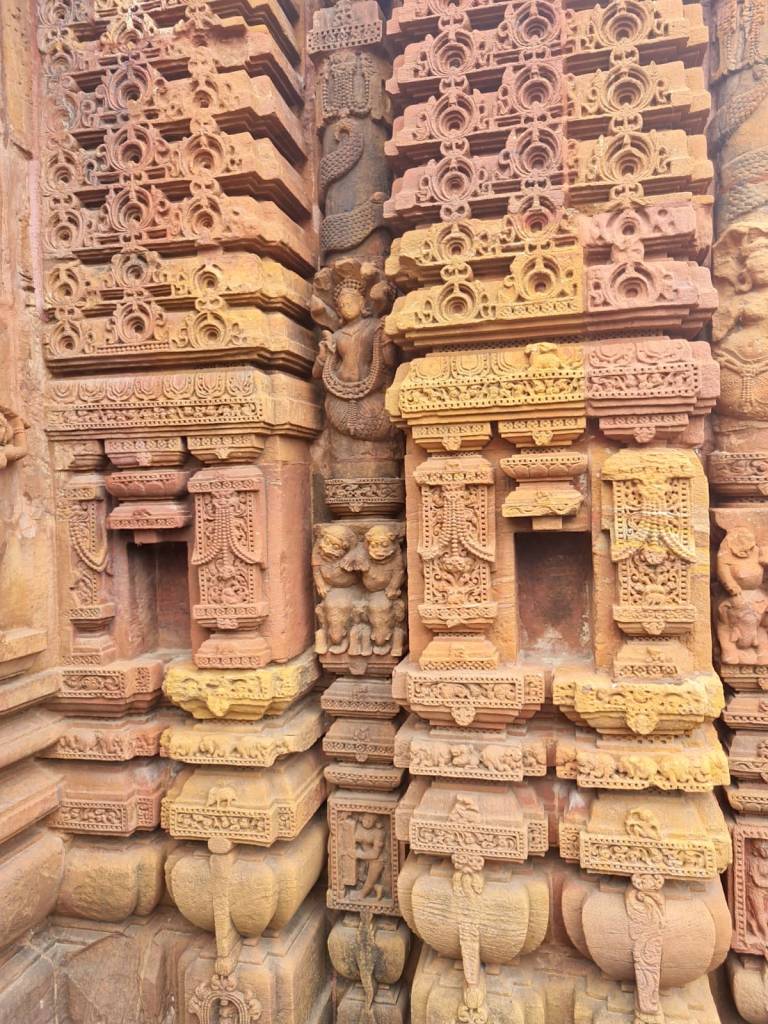
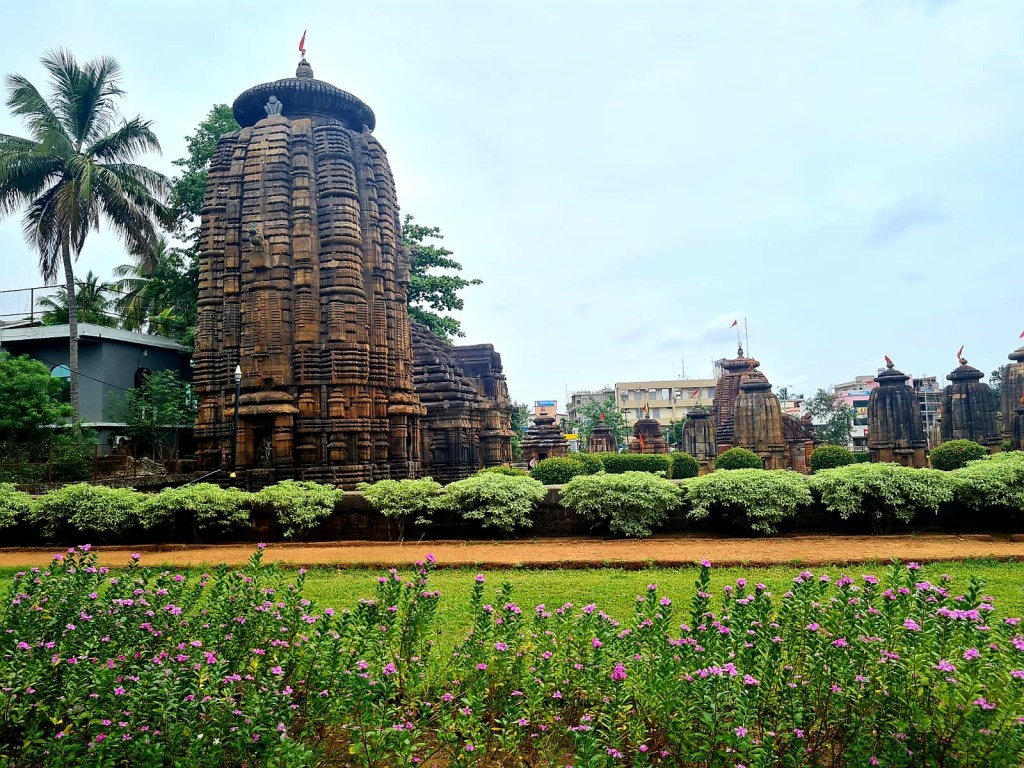
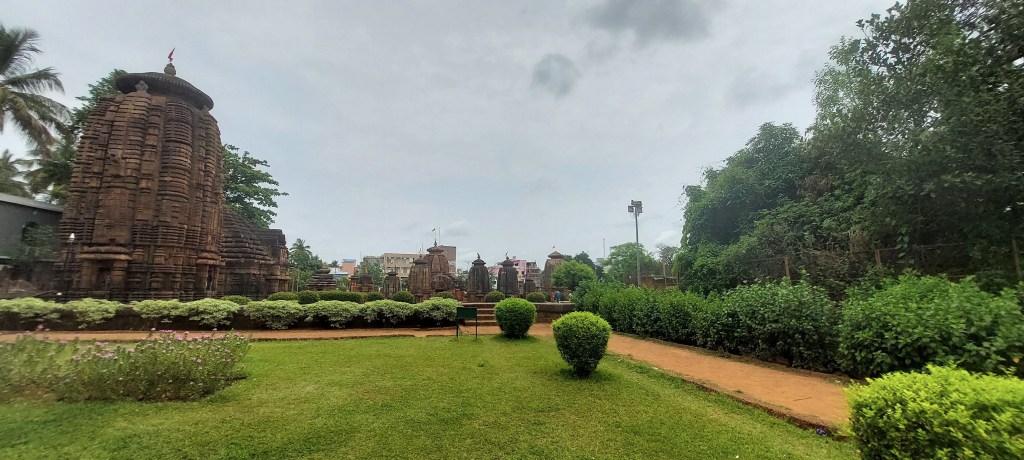
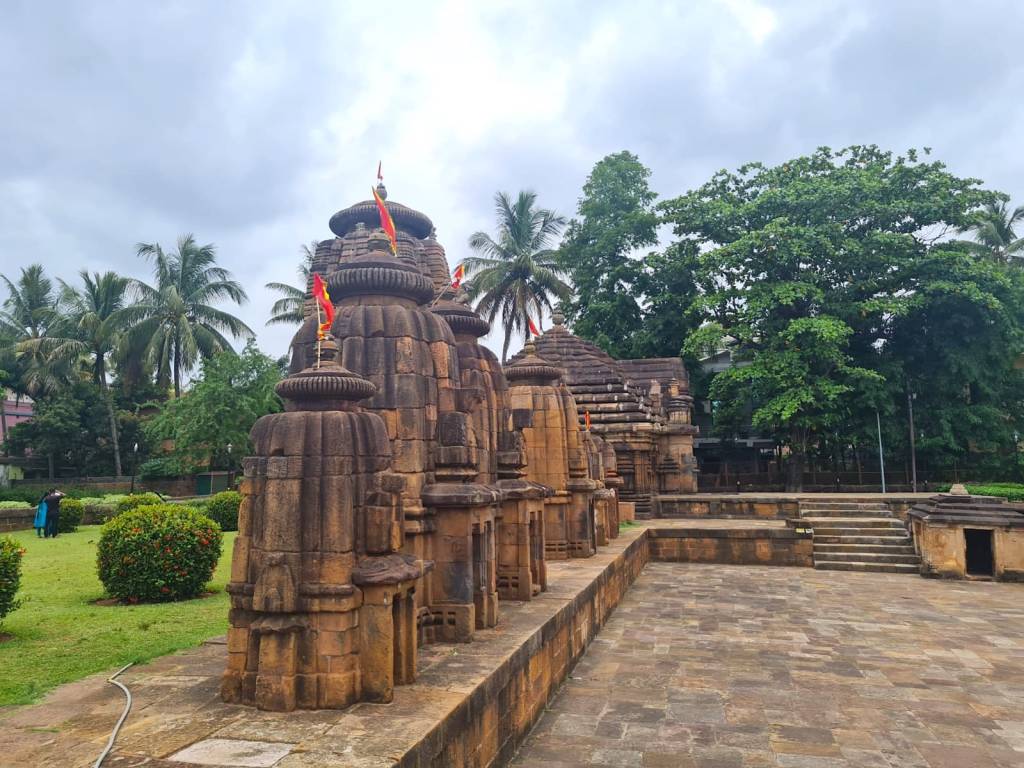
Yet another architectural masterpiece in the city centre, Mukteswara Temple, dedicated to Lord Shiva, is worshipped in the form of Lord Mukteswara, or Lord of spiritual freedom. Constructed in the 10th century CE, the temple is known as the Gem of Odisha architecture. Standing tall amid several smaller temples, the architectural beauty is quite evident. The walls are bedecked with elaborate carvings typical of the temples built during that period.
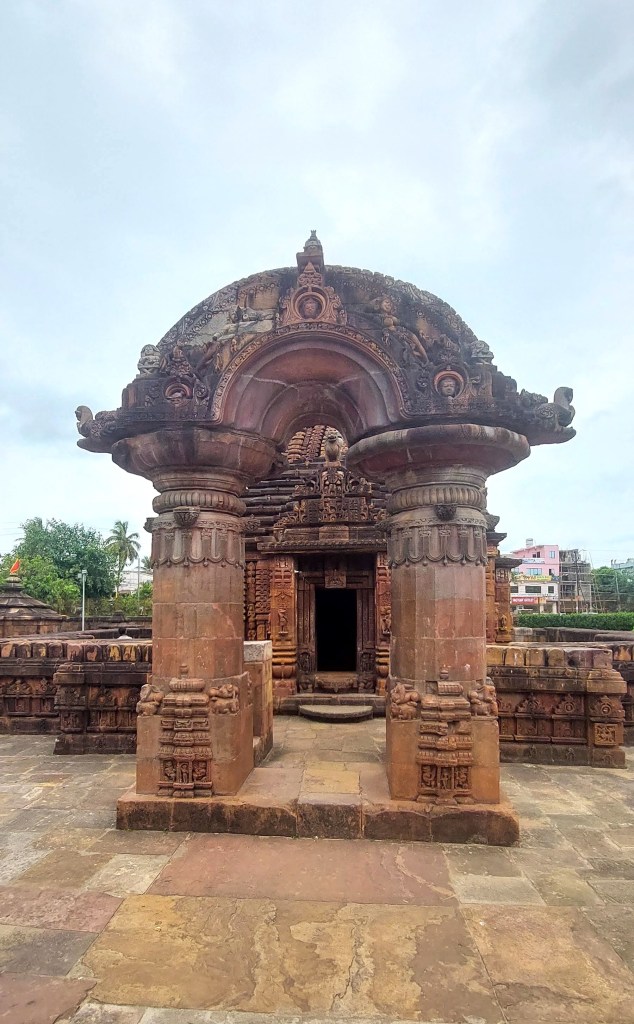
The stunning arched gate, or Torana, is among the most photographed architectural structures in the country. Standing in front of the archway, I realized why. The architectural style is also reminiscent of Buddhist influence in Odisha. The gate is decorated with carvings of reclining women, animals, and flowers representing Buddhist, Jain, and Hindu motifs.
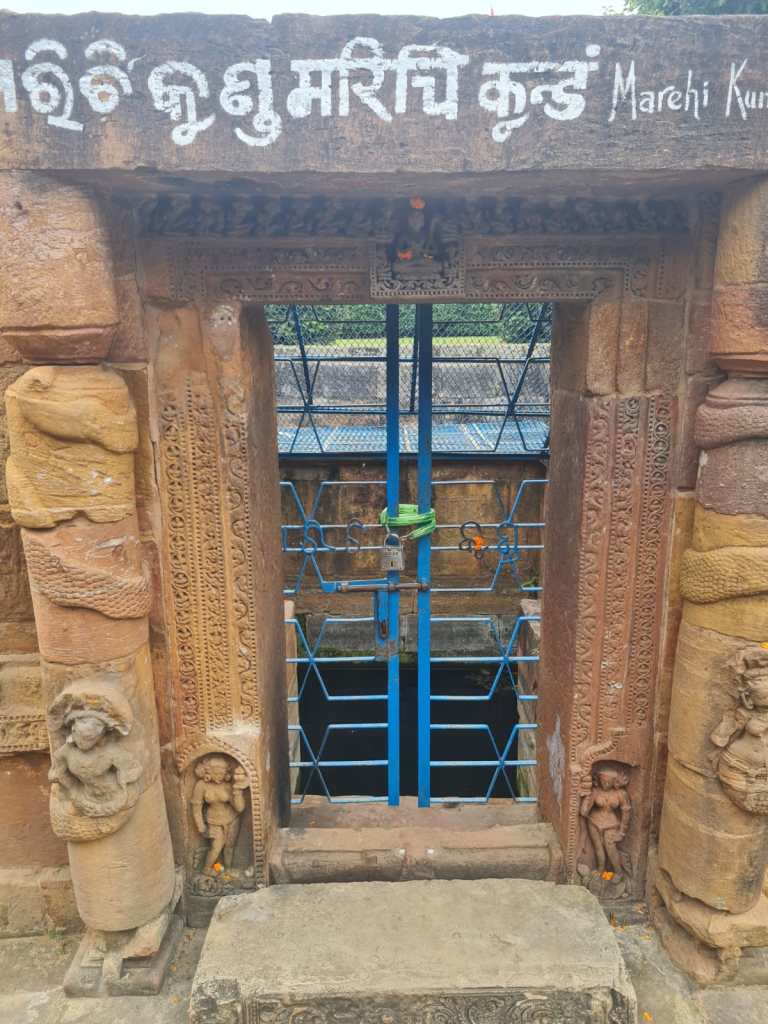
A small water tank called Marichi Kunda lies behind Mukteswara temple. The bas-relief sculpture of a prominent saint named Lakulisha adorns the top of its door frame. Lakulisha was a reformist and the founder of the Pashupata sect, one of the oldest sects of Shaivism (a Hindu tradition that believes that Lord Shiva is the Supreme Being). According to Hindu scriptures, he is considered the 28th and the last incarnation of Lord Shiva on this earth. According to local beliefs, barren women taking a dip in the holy waters of this tank during the Ashoka Asthami Chariot Festival give birth to male children. Be it a myth or fact, pitchers of holy water from Marichi Kunda are auctioned at high prices during the festival!
Another prominent temple residing within the Mukteswara Siddheswara Temple Complex is Siddheswara Temple. This sandstone temple was built in the 15th century CE. Unlike the Mukteshwara temple, the architecture of Siddheswara shifted away from the richly embellished exteriors given to earlier temples in the complex. Instead, the architects of this temple raised the height of the sanctuary tower to achieve a grander appearance and visibility.
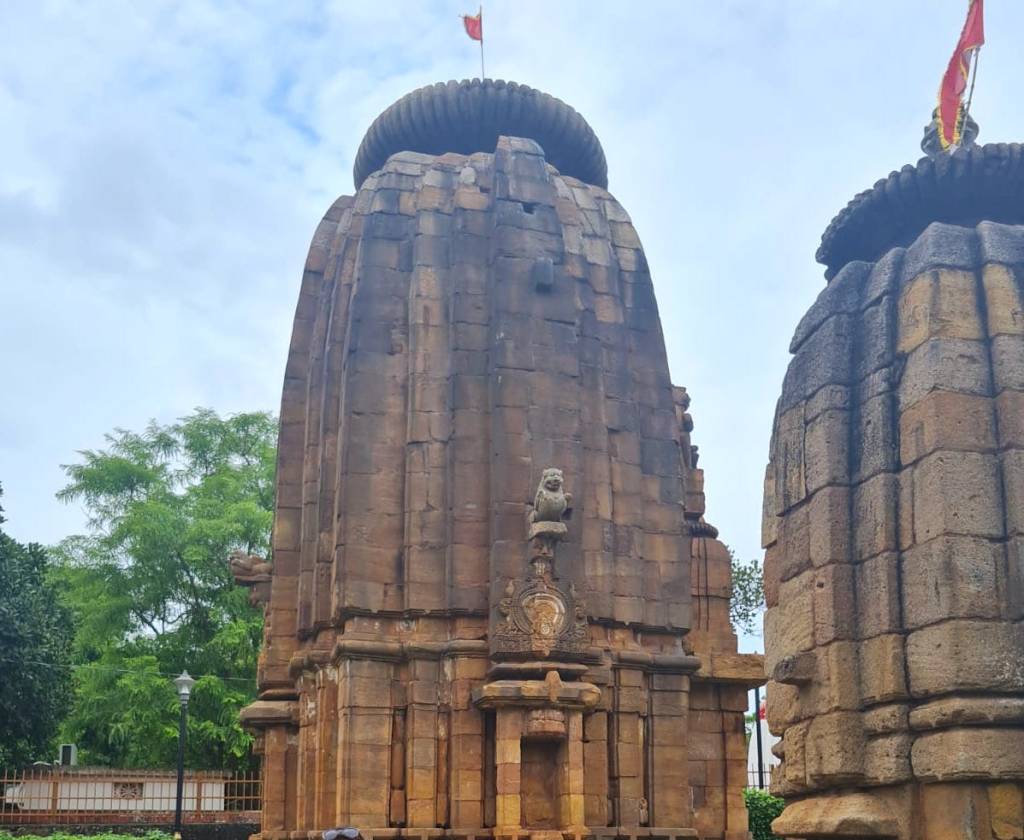
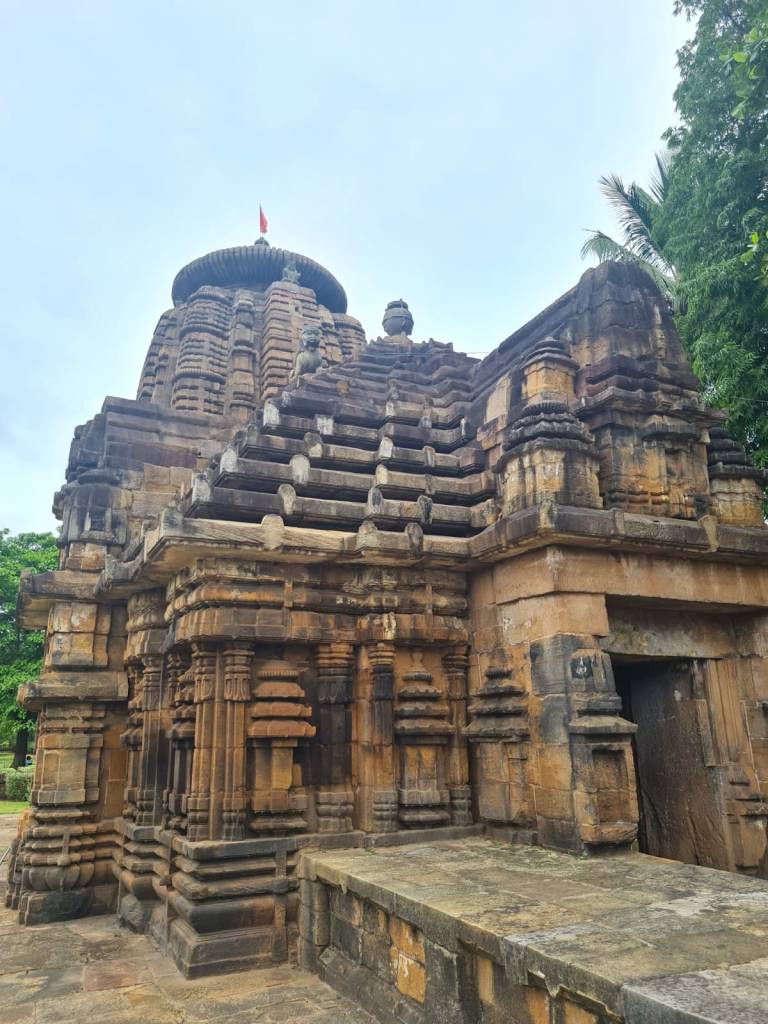
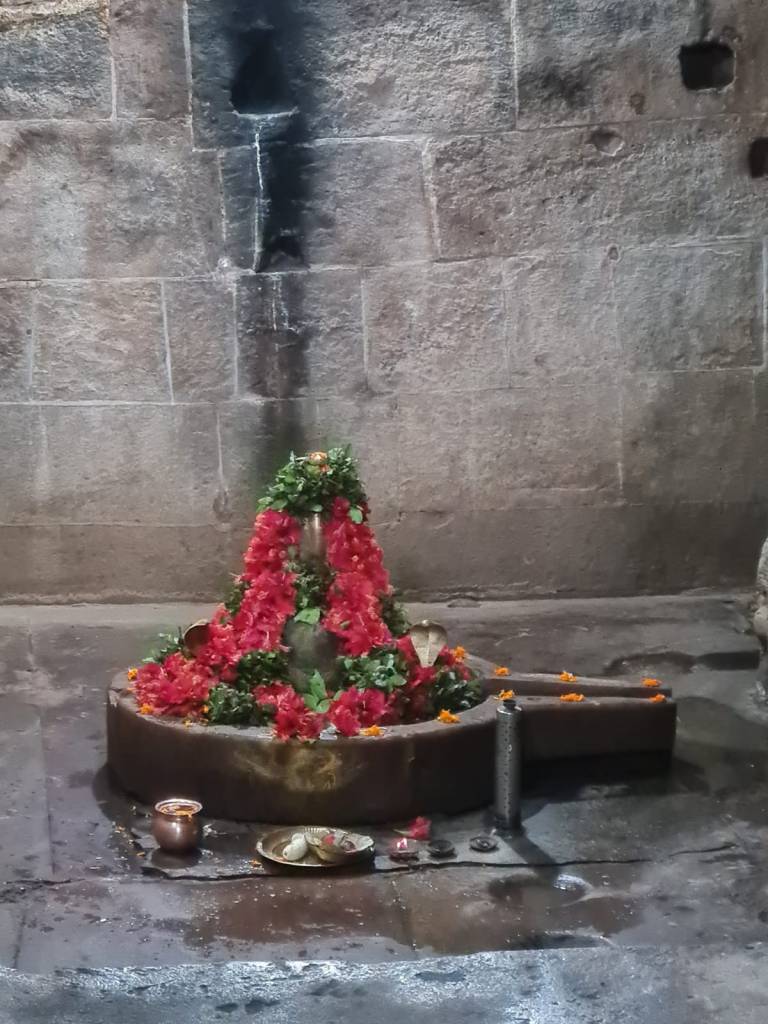
While the exterior walls have two niches holding bas-relief sculptures of the Hindu gods Ganesha and Kartikeya, inside the temple, the presiding deity is a Siva lingam.
I was awestruck by the peace and tranquility of the vast temple complex and the manicured Kedar Gauri Park next to the temples.
Parasurameswara Temple
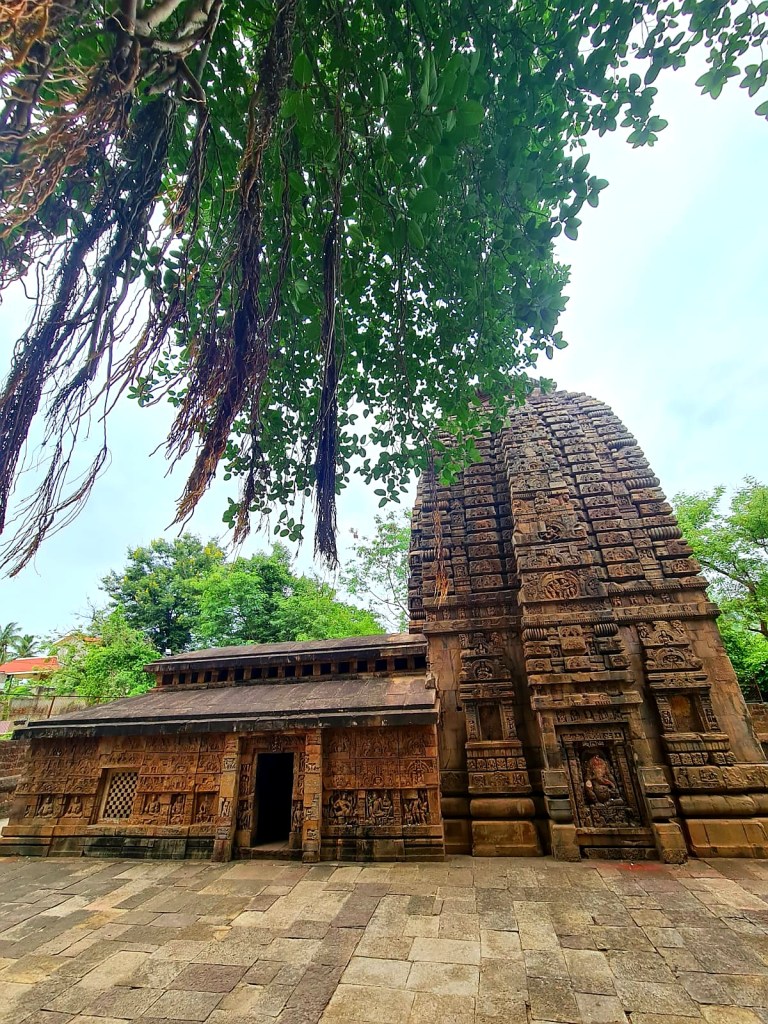
Located on the other end of Kedar Gouri Park is the well-preserved Parasurameswara temple. Dating back to around 7th-8th century CE, it is the oldest temple in Bhubaneswar. Like Mukteswara and Siddheswara, this temple is also dedicated to Lord Shiva. However, its walls are bedecked with bas-relief sculptures of the Hindu goddess Shakti, the eternal goddess and divine power, and Saptamatrika, a group of seven Hindu mother goddesses.
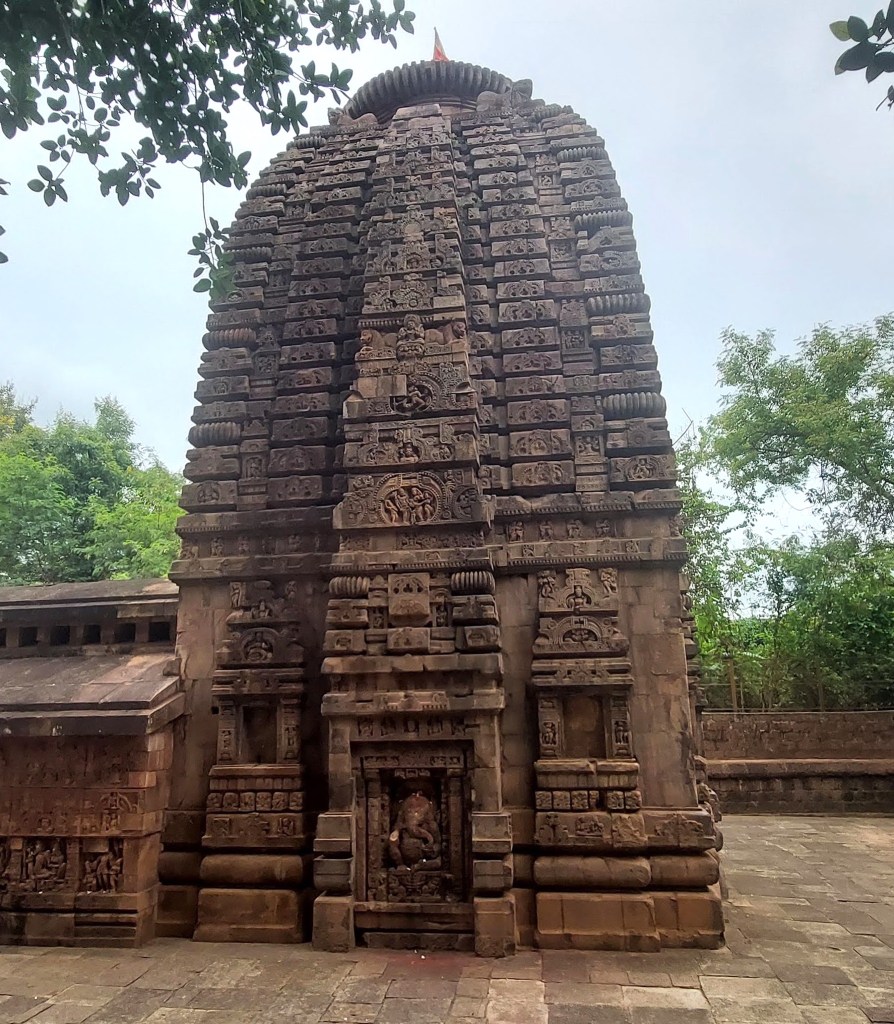
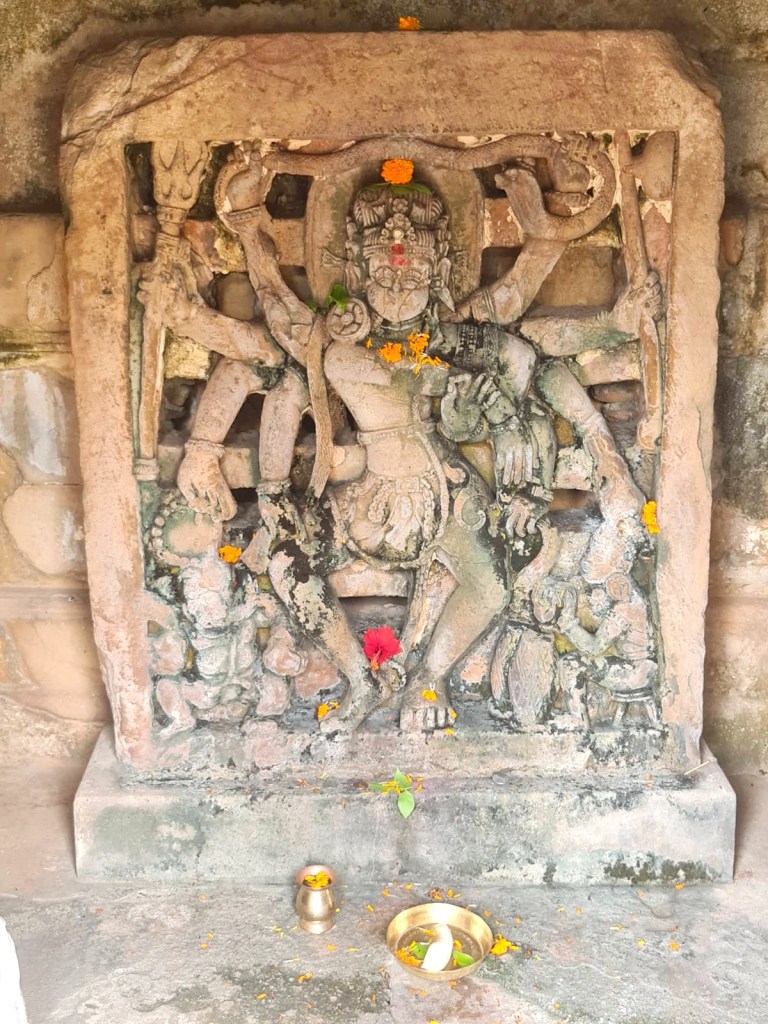
Another significant bas-relief sculpture on the front facade of the temple is that of the Dancing Nataraja with ten arms. The position of one of the right hands thrown over a left hand is one of its kind in Odisha. The face is calm and meditative.
Dhauli Shanti Stupa and Dhauligiri Hill
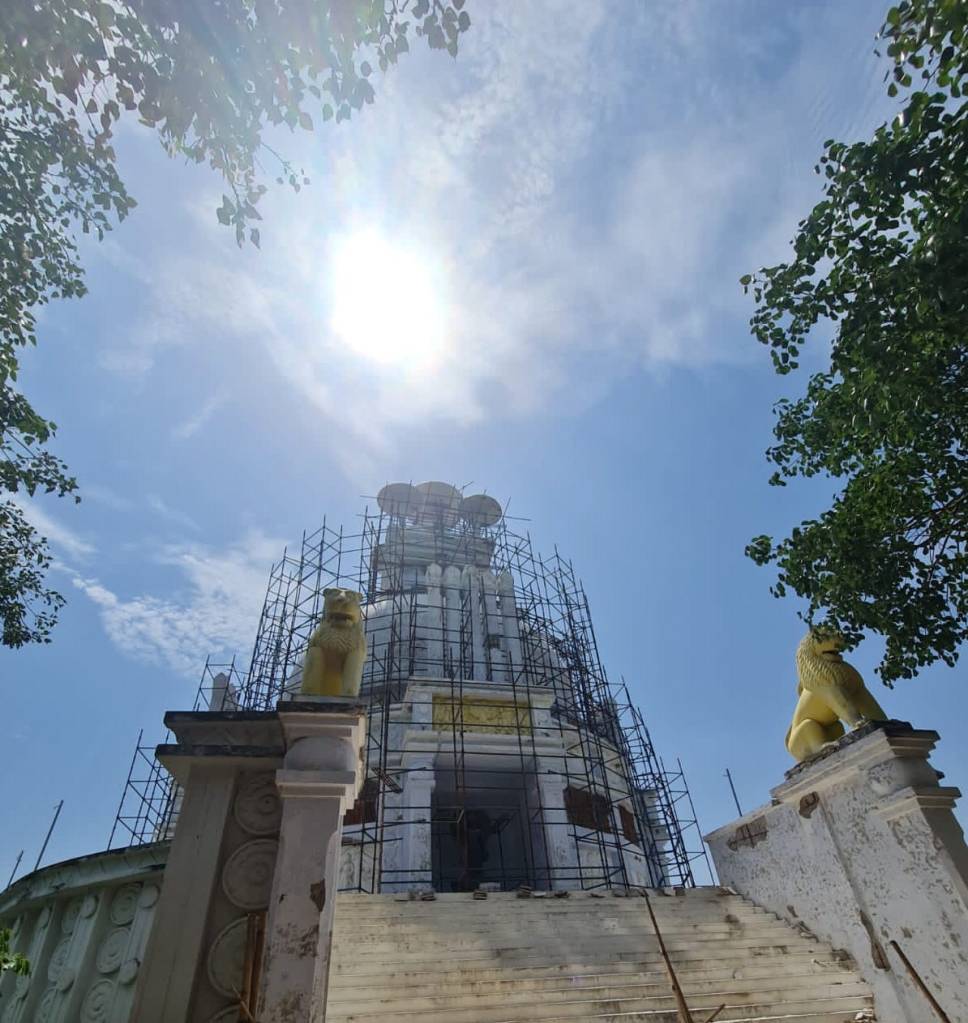
Close to Bhubaneswar, on the Konark-Bhubaneswar highway, is another notable structure atop Dhauligiri Hill. Dhauli Shanti Stupa is a Buddhist shrine and peace pagoda. Constructed in the 3rd century BCE, it is said to be the oldest rock-cut sculpture in India, marking the spot where the change of heart and transformation of King Ashoka, the Great Warrior, had occurred. Although renovation work was in progress during my visit, the white sculpture looked quite grand from a distance.
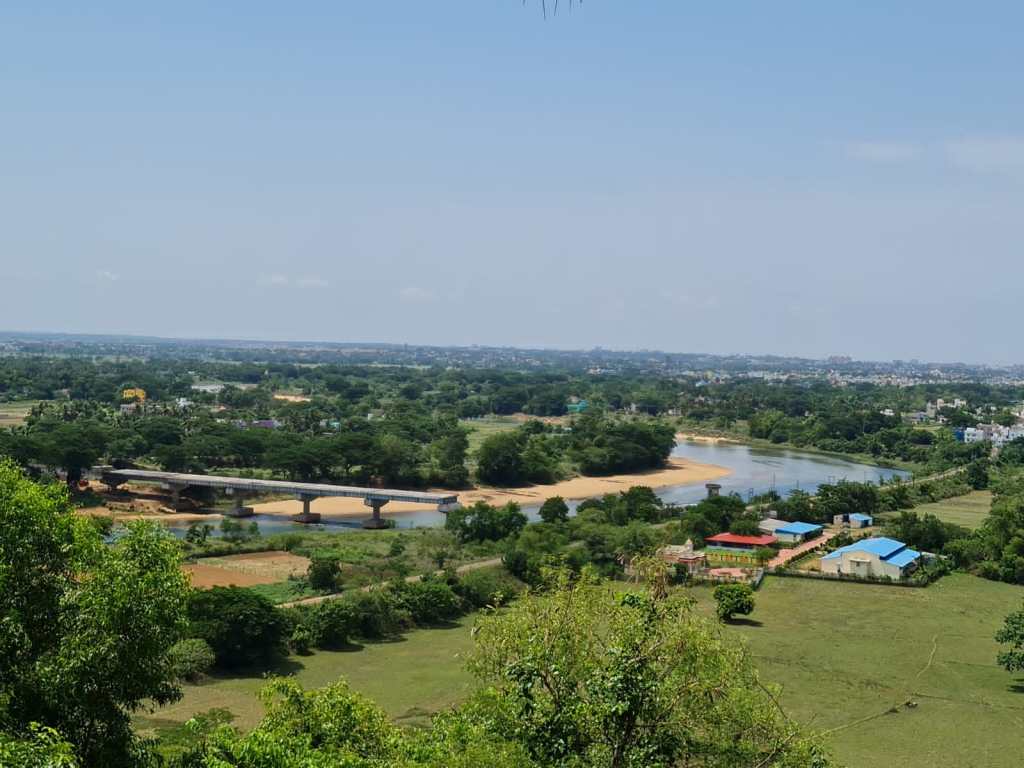
I was rewarded with amazing views of the meandering Daya River from the top of the hill.
Due to a lack of time and soaring mercury levels, I skipped two other prominent temples in the city – Ananta Deva Temple (dedicated to Lord Krishna) and Astasambhu Siva Temple (dedicated to Lord Shiva). If you are a connoisseur of medieval architecture, make it a point to visit these two architectural gems.
Best time to visit Bhubaneswar
Bhubaneswar tends to get very warm during the summer months of April through June. Although monsoon season (Mid-June to September) brings plenty of heavy showers, it is also the time when the city becomes lush and scenic. Ideally, November to February would be the best time to visit Bhubaneswar when the mercury dips to a bearable temperature and the city is dry and pleasant.
How to reach
Bhubaneswar is well connected to the rest of India via train, bus, and flight. The city has an international airport catering to domestic and international airlines.
From the Konark Sun Temple to the ancient Shiva temples of Bhubaneswar, Odisha is a place of great antiquity. The Indian State has architectural gems that captivate the young and old alike. You need not be a history buff or an admirer of ancient architecture to appreciate the beauty of these magnificent monuments. You will simply fall in love with these gems!

